A profile of a man's head divided into coloured sections labelled with psychological traits.

How weekly group conversations help with loneliness

Weekly group conversations in a supportive environment can reduce loneliness in adults. Research across the disciplines of psychology, neuroscience, and sociology shows that regularly talking within a small group can reduce feelings of isolation and help people feel more connected. Loneliness itself has been linked with heightened activity in the body’s stress systems, so easing it may bring wider benefits (Masi et al., 2011; Cacioppo et al., 2015).

Evidence indicates that participation in regular, supportive group-based discussions may help fulfil core emotional, social, and psychosocial needs, thereby contributing to a reduction in perceived loneliness (Huang et al., 2026).

A man with a black beard and glasses in a white lab coat points at a whiteboard with text.

Social bonding and emotional support

Spending time in a group offers more than company: it creates a sense of belonging. Members often recognise themselves in each other’s stories, realising they’re not alone in what they’re going through. In group therapy, this is known as ‘universality’, a therapeutic factor described by Irvin Yalom that relieves isolation and nurtures optimism (Yalom & Leszcz, 2005).

While the Society of Lost Souls is not a substitute for therapy, many of the same mechanisms are at work in regular group conversations:

You share feelings and stories at your own pace.

In turn, you receive compassion, curiosity, and empathy from others.

You gradually build trust and feel safe expressing your inner thoughts.

These mutual exchanges form the basis of new friendships and emotional resilience. Over time, people often learn healthier ways to cope with stress, express emotions more openly, and feel more validated (Masi et al., 2011). Simply knowing you have ‘your group’ each week can become a powerful source of support.

Emotionally, the sessions offer something that may be difficult to access elsewhere: genuine validation and understanding. When participants recognise that they are not alone in their experiences, friendships and a greater sense of social support may emerge, helping to mitigate feelings of isolation (Sánchez-Moreno et al., 2025; Thompson et al., 2024).

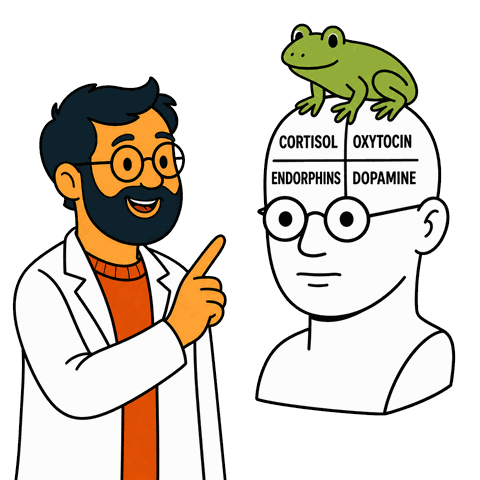
A man in a white lab coat points at a bust with a frog on top and sections labelled with hormones.

Long-term impact of group conversations

Research supports the long-term impact of group conversations on loneliness. In several intervention studies, adults who described themselves as chronically lonely took part in programmes of regular group sessions over several weeks. The results were striking: participants reported reduced feelings of loneliness and stress immediately after the sessions, and these improvements were still present months later (Masi et al., 2011).

While much of this research comes from clinical or structured group-therapy programmes (Masi et al., 2011), the Society of Lost Souls is different: we’re a conversation-based community rather than a clinical service. However, the core components overlap:

Small, hosted peer-to-peer groups

Regular, consistent meetings

A supportive and safe atmosphere

Shared stories and life experiences

Together, these elements help people feel less isolated and more grounded in real human connection.

From a sociological and public health perspective, groups like the Society of Lost Souls function as micro-communities. Over time, members often develop kinship-like bonds and rediscover a sense of purpose. Research consistently shows that shared values and regular contact provide essential meaning, social identity, and protection against loneliness (OSG, 2023).

Socially, a sense of belonging and community identification has been associated with lower levels of loneliness, as well as reduced symptoms of anxiety and depression (McNamara et al., 2021; Wickramaratne et al., 2022).

Weekly sessions become a steady anchor: a space where setbacks are met with encouragement, small wins are noticed and celebrated, and isolation gradually gives way to belonging.

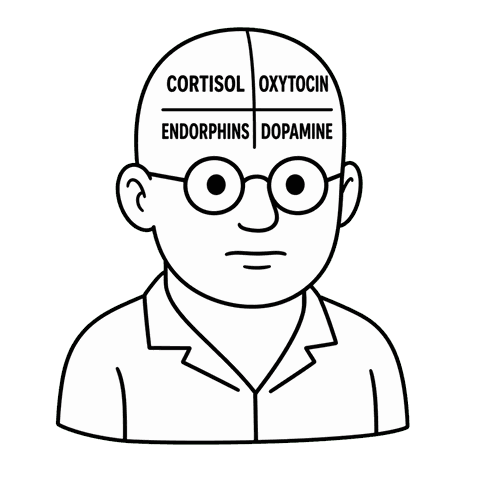
A line drawing of a man's head divided into four sections labelled with hormones.

The brain’s response to connection

Positive social interactions do more than improve your mood; they may influence your brain chemistry.

Biologically, positive group interactions may stimulate neurochemical processes associated with social bonding, including the release of oxytocin and endogenous opioids, which have been linked to increased trust, improved mood, and reduced stress responses such as cortisol release (Fineberg & Ross, 2017; Burenkova et al., 2023).

Endorphins

Shared laughter and genuine conversation can trigger endorphins, the brain’s natural opioids. These chemicals reduce pain and enhance feelings of warmth and pleasure. Research from 2012 found that group laughter produced measurable rises in endorphins, reflected in a higher pain threshold (Dunbar et al., 2012).

Oxytocin

Oxytocin, sometimes called the ‘bonding hormone’ or more humorously the ‘cuddle hormone’, strengthens trust and connection between people. Experimental studies in humans using intranasal oxytocin show that it increases feelings of social connection and reduces perceived social threat, particularly in supportive social contexts (Lieberz et al., 2021). But pharmaceutical interventions aren’t necessary; our sessions are designed to encourage empathy and compassionate conversation, both of which are known to support natural oxytocin release (Zak, 2012).

Dopamine

Dopamine is part of the brain’s reward system. Social engagement, particularly when it feels meaningful or enjoyable, activates dopamine pathways. Recent work from the Mount Sinai Health System, directly measuring dopamine and serotonin during different kinds of interactions, shows that social context powerfully shapes dopamine activity (Batten et al., 2024). In lay terms, a good conversation feels rewarding, so your brain motivates you to seek it out again.

Cortisol

Cortisol is the body’s primary stress hormone. Chronic loneliness is associated with higher cortisol levels and increased inflammation. Supportive group contact may help lower cortisol and support immune function, which has been linked to better sleep and general wellbeing (Cacioppo et al., 2015; Shields et al., 2020). When people feel accepted and supported, the nervous system begins to relax.

These biological shifts help explain why consistent, positive group interaction feels deeply nourishing rather than like a fleeting chat.

The combination of meaningful social interaction and its associated neurobiological effects may provide a powerful buffer against loneliness, with potential benefits for anxiety, wellbeing, and perceived social connectedness (Kim & Sul, 2023; Delgado et al., 2023).
A man with a black beard and glasses has a glowing outline of three people inside his head.

Summary: the science of connection

Weekly group conversations can be a powerful support against loneliness. They offer:

Regular, meaningful social contact (something to look forward to)

Emotional validation and mutual support

The opportunity to realise, “I’m not the only one who feels like this.”

The space to form new friendships and cultivate a deeper sense of belonging

These benefits are emotional and biological. Positive group experiences:

May activate the release of bonding hormones like oxytocin

Potentially boosting feel-good chemicals such as dopamine and endorphins

And may help to reduce stress hormones like cortisol

Together, these effects support a shift from isolation to inclusion, with potential benefits for mental and physical wellbeing (Masi et al., 2011; OSG, 2023).

A hand with a blue sleeve points to a link to click on.
Academic references and citations