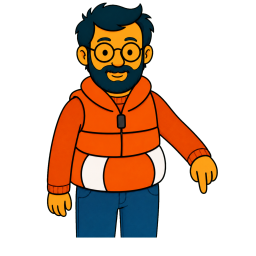
Reading time: 60 minutes, the full story of the Society of Lost Souls, the over-explanation edition.
Who is coming to rescue you?
From the loneliness, the isolation, and the mundanity.

Too often, society offers empty platitudes such as “we’re always here for you” or “our door is always open” as social currency.
They allow people to feel empathetic and supportive in the moment, without committing the time, emotional energy, or attention required to sustain another soul. It is compassion outsourced to a cliché. They may mean well, but often they simply do not have the bandwidth.
The same reflex is at work in the familiar reprimand: “We haven’t heard from you in a while.” It treats connection as a transaction, not a reciprocal relationship. It places the responsibility for initiation on the individual, rather than recognising it as mutual.
An afterthought

When society treats connection as an afterthought, it misses what actually addresses deep, intellectual, and existential loneliness. True connection is not a passive open door. It is an active, deliberate choice to meet someone where they are and engage on a level that matters.
The Society of Lost Souls
This is where we make that choice.
The Society of Lost Souls is a thoughtful online micro-community based in the UK, built around carefully curated and gently hosted conversation to disrupt loneliness.
The rescue

We refuse to outsource compassion to a cliché. Instead of treating connection as an afterthought, we create space for loneliness, isolation, and mundanity to be met with genuine conversation. Here, members find like-minded souls and rediscover a sense of belonging, purpose, and meaningful human connection.
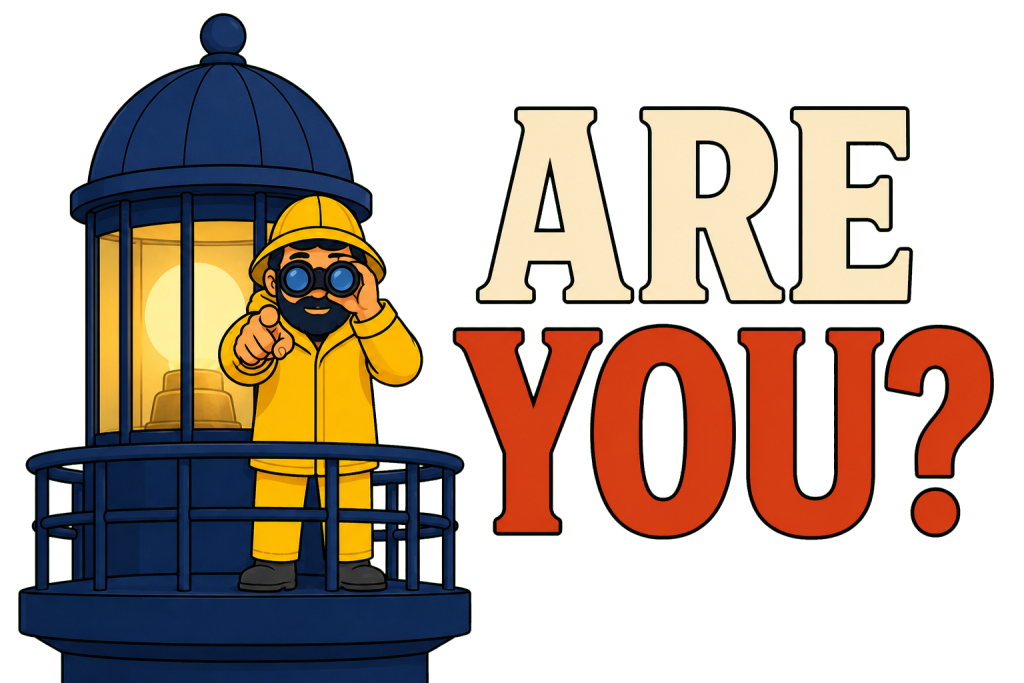
Lonely
Are you lonely?
It has little to do with how many friends you have or how many people you know. It often hides in plain sight, disguised by busy lives, casual conversations, and crowded rooms.

Isolated
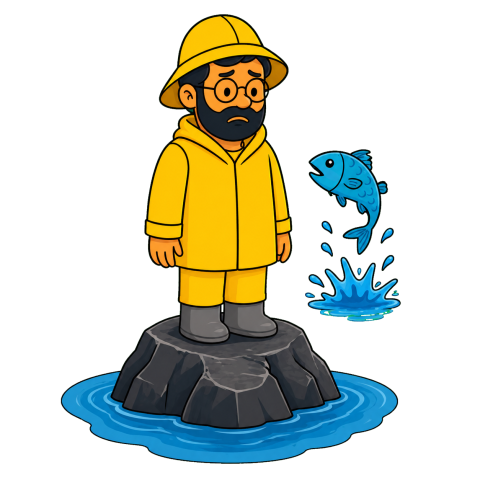
Are you isolated?
Isolation is the feeling of being left out, overlooked, not chosen, considered too much trouble, or misunderstood. Over time, it can lead to a life deprived of meaningful human connection.
Lost

Are you lost in mundanity?
Mundanity is like drifting in a tide. If we don’t watch out, it pulls us out to sea. It can be dull and predictable, leaving us wondering whether we are treading water or living the life we want.
You are not alone
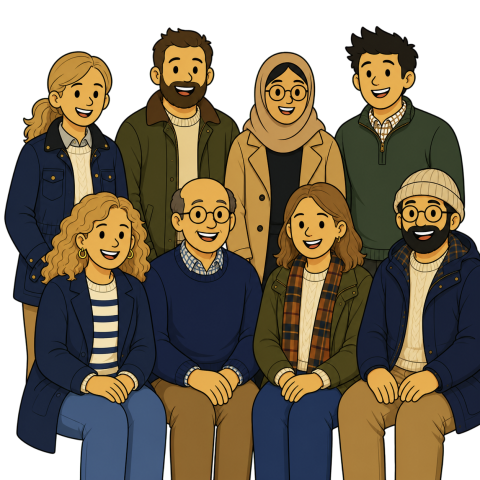
These feelings are common
You are not alone in these feelings; they are common experiences of loneliness, isolation, and mundanity. Our brains are wired for connection, so when those needs go unmet, it is natural to feel lonely.
“Membership gives me that indescribable feeling of a great book that is very difficult to put down.”
Clarissa, member for three monthsNone of the above
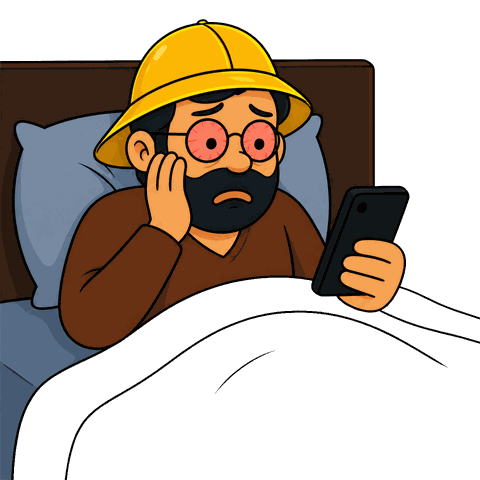
You do not need to be any of the above to join
You may find our sessions a welcome alternative to endless scrolling, another night of crime dramas, or small talk that never quite reaches the conversations you really want to have.
The Founder’s Story
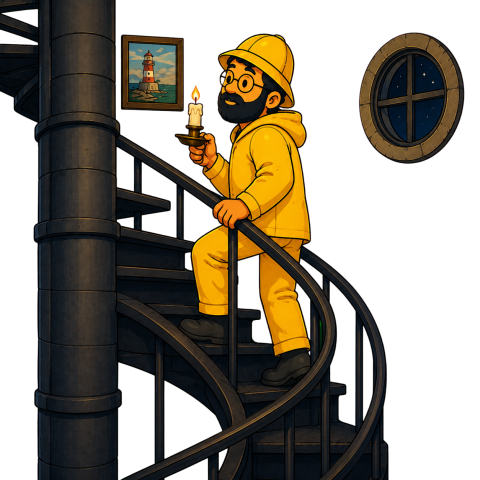
Waiting for something to happen
I was all of the above. Frozen in procrastination, hoping something would change to break the monotony and isolation.
Eventually, I realised nobody was coming to rescue me.
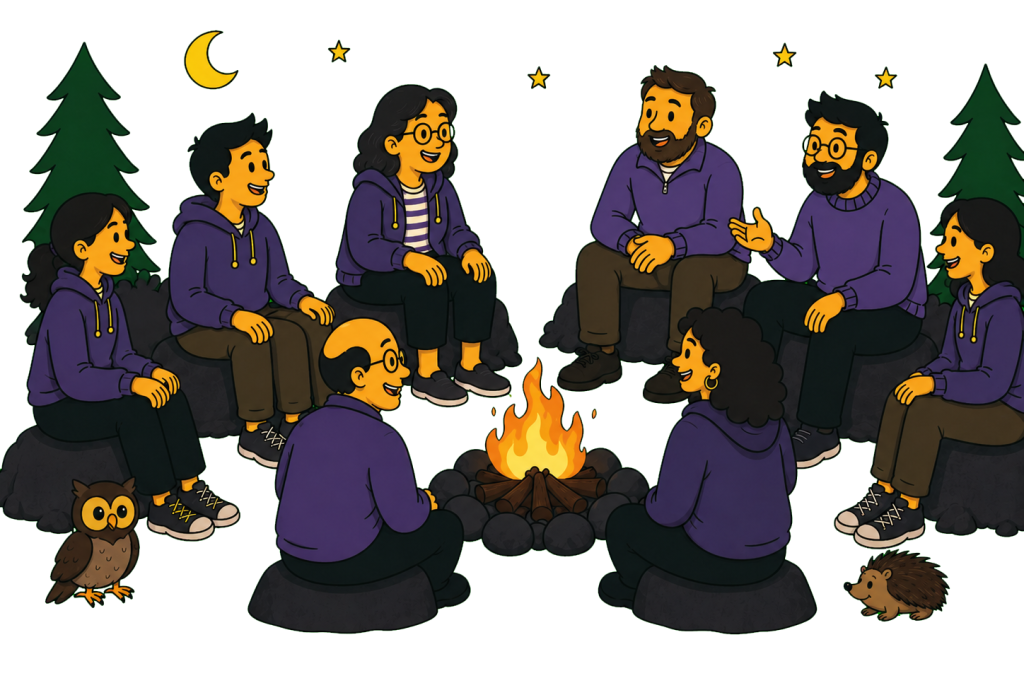
What we do
Fundamentally:
We reconnect disconnected people through conversation.
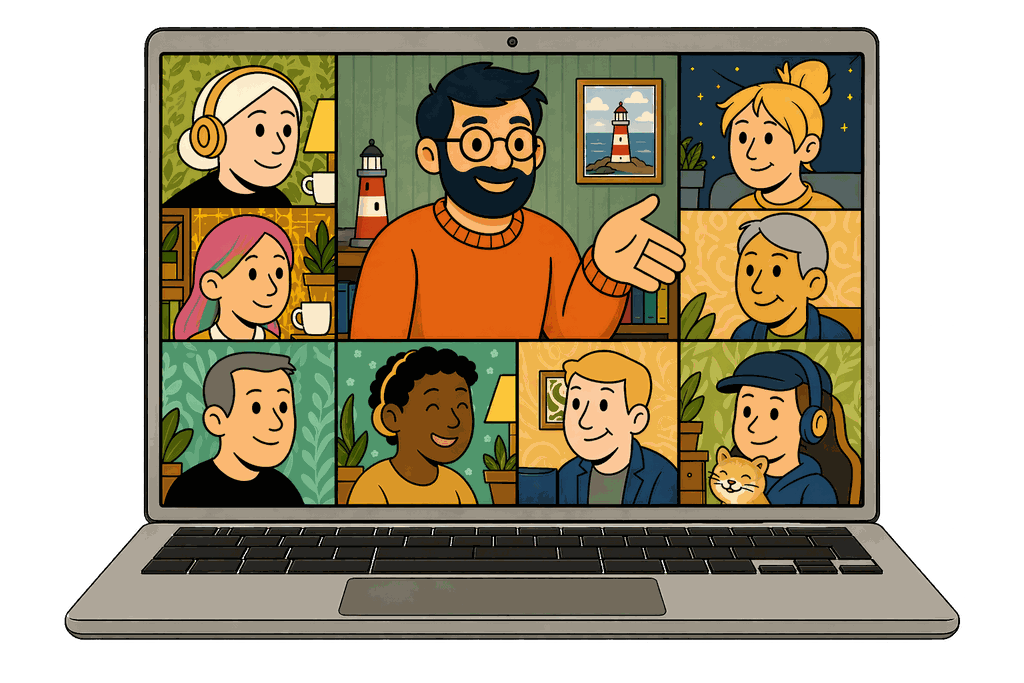
We meet weekly on Zoom in small groups of up to eight members. Each session is hosted and structured to encourage open dialogue: a space where people share their stories, fears, hopes, and dreams.
There is no script
Our conversations are natural and philosophical: the sort you might have around a campfire, on a long walk with a friend, or on a train with a stranger.
If this kind of connection has rarely presented itself in your life, and you have been longing for something more meaningful, we invite you to join us.

The spark, the firelighters, the conversation starters
All sessions are run by a host who creates a safe space for philosophical conversations, challenging ideas, and the kind of thinking that can shift how members see their lives.
In some groups, the host creates the initial spark, but where the conversation goes is down to the members.
In other groups, the host takes the lead, bringing ideas, stories, research, and questions that aim to open up new ways of thinking.
These are the conversations that matter most in life: the ones people rarely have.
“This is a rare thing. To have the conversations you’ve been wanting to have your whole life, with people who actually want to have them too.”
Clodagh, member for seven monthsWhat are we talking about?
No idea
Every session we host is unique, and most have no set agenda. They flow organically, shaped by what members need in that moment. As in all good conversations, we often veer off course, forget where we started, and find something more valuable along the way.
We explore the topics that matter: life experiences, dilemmas, solutions, and how life should feel. Sometimes we look back to move forward. At other times we wrestle with the enduring questions (life, happiness, love, justice, truth, mortality), not to answer them, but to understand them better.
Some sessions focus on escaping the mundane: unfulfilling work, relationships that have stalled, opportunities never taken. We discuss what it means to move beyond these constraints and create lives that feel authentic.
Others are more anecdotal: a chance to reflect on the week and enjoy conversation for its own sake.
“Honestly, I assumed it would be full of people I couldn’t relate to. But these are the most real, thought-provoking conversations I’ve ever experienced.”
Carol, member for five monthsThe target

The aim is simple
To create genuine conversation that disrupts loneliness, mundanity, and social isolation.
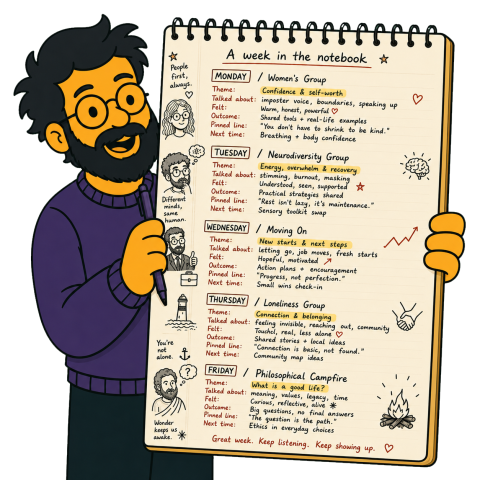
What does that look like in practice?
Our notes
We use notes as an aide-mémoire; they will give you an idea of the subjects we discuss throughout the week. They do not contain any identifiable information, as you will see.
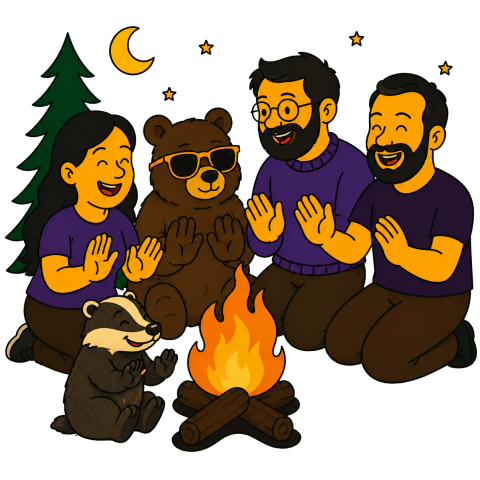
Oh, how we laugh
This might sound silly
We laugh: we celebrate lighter moments and life’s absurdities, find humour in the mundane, and refuse to take ourselves too seriously. Laughter, we’ve learned, works surprisingly well against loneliness.
We do not, however, ridicule members, poke fun at them, or talk behind their backs — or anyone else’s, for that matter.
Listening works

We listen more than we talk
In a world of increasingly polarised opinions and inflated egos, we prioritise understanding over reaction. Conversation isn’t a contest; it is a chance to learn from one another, deepen understanding, and build connection.
Conversation works

Where’s the evidence that talking works?
Evidence suggests that regular, supportive group discussions can help fulfil emotional and social needs of members while reducing perceived loneliness (Masi et al., 2011; Tong et al., 2021; Lasgaard et al., 2026; Blodgett et al., 2025).

Emotionally
Emotionally, these sessions can offer something many people struggle to find elsewhere: feeling truly heard, understood, and accepted. When people realise they are not alone in what they are going through, friendships and a sense of support can begin to grow, helping them feel less isolated (Sánchez-Moreno et al., 2025).

Socially
Socially, a sense of belonging and community identification has been associated with lower levels of loneliness, as well as reduced symptoms of anxiety and depression (McNamara et al., 2021; Wickramaratne et al., 2022).
Spending meaningful time with others can help people feel less alone and more supported. These interactions may also have positive effects on the brain and body, helping to ease anxiety, improve wellbeing, and strengthen a sense of connection (Kim & Sul, 2023; Delgado et al., 2023).
Biologically
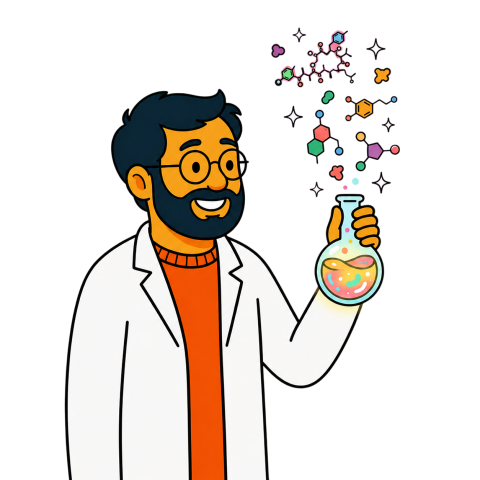
On a biological level, positive group experiences can help the body release chemicals linked to bonding and wellbeing, such as oxytocin and endorphins. These can help people feel safer, more trusting, and in a better mood (Burenkova et al., 2023; Dunbar et al., 2012; Fineberg & Ross, 2017).
Supportive group contact can also lower stress levels, which may benefit overall health and help people feel more at ease (Cacioppo et al., 2015; Shields et al., 2020).
On your terms
Participate on your own terms
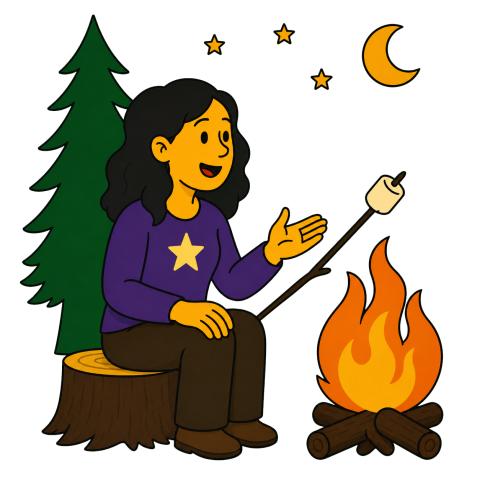
You share only what feels comfortable. Speaking and listening are equally valued. There’s no expectation to turn your camera on. We treat conversations as confidential and ask everyone to do the same, and pseudonyms are welcome.
“I was nervous I wouldn’t know what to say, but no one rushed me. I listened at first, and gradually found I could join in. Now they can’t shut me up.”
Rachel, member for four months
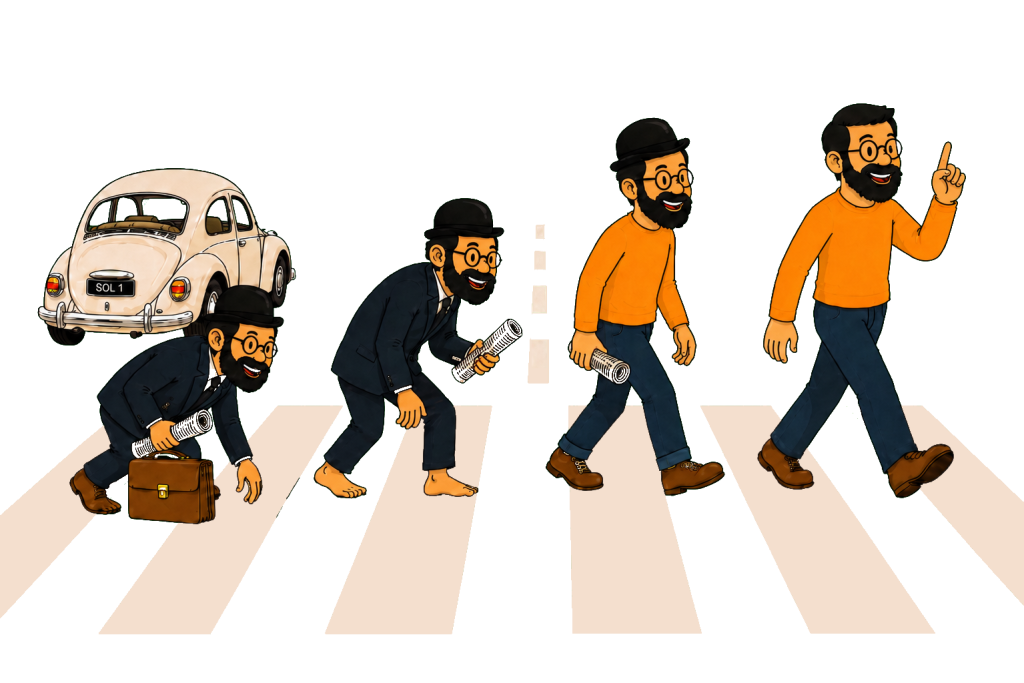
We will become different people
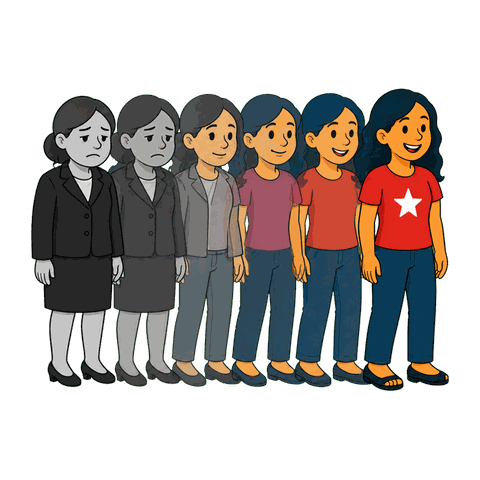
We change through our conversations
We talk about the big questions: the ones that rarely come up in conventional friendships.
We don’t bring judgement or egos or fixed ideas. We bring curiosity, openness, and a willingness to listen and learn from one another.
Our aim is that, by the end of each session, something will have changed, and you’ll feel different about yourself, your life, and the world around you.
Evolving people

Three common outcomes
What are the outcomes for our members? No two are the same, but they tend to fall into three broad categories.

They become a different person
For some, the Society becomes a catalyst for change, a shift in perspective. When members reach this point, they may feel they no longer need membership, and that is success. And should they miss the camaraderie, they will always be welcome.

They remain a member
Membership brings something valuable to daily life: something to look forward to, thoughtful conversation, inspiring discussion, practical insight, genuine connection, and a shared sense of community.

They feel this is not for them
And that is completely fine. There is no pressure to stay, no contracts and no notice periods or need to pay for attended sessions.
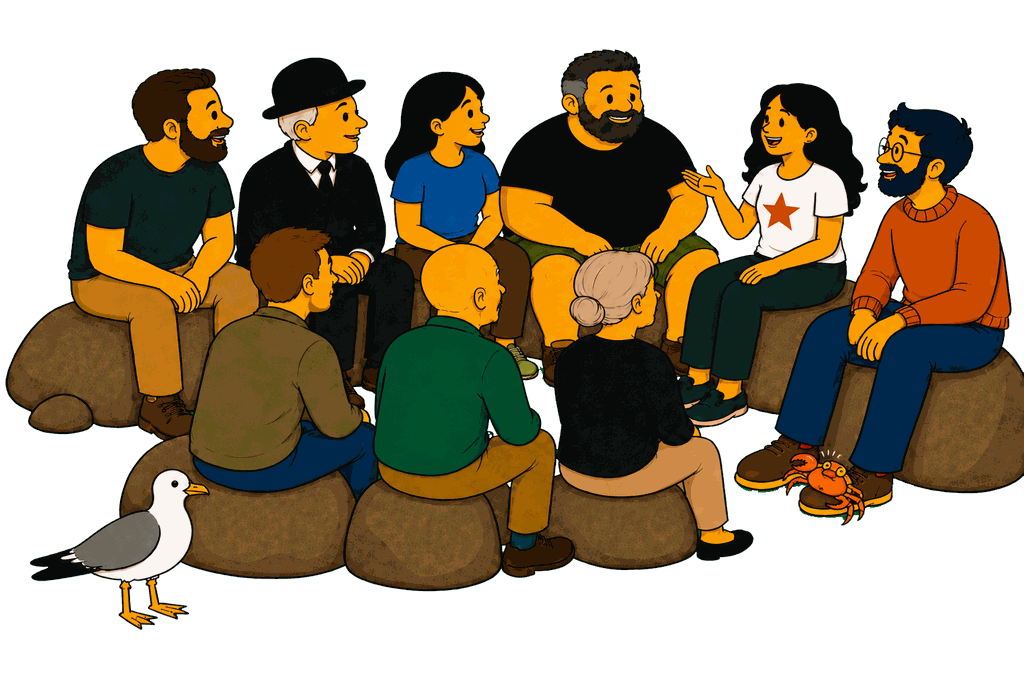
Not so typical members

We are far from ‘ordinary’
We do not have ‘typical’ members
We welcome thoughtful adults aged 18 or over from all walks of life, races, classes, genders, neurotypes, sexual orientations, disabilities, faiths, and backgrounds, including those society too often overlooks.
You do not need to be academic, intellectual, or know any fancy big words. We are not interested in your financial or employment status, where you went to school, or whether you went at all. What matters is that you want to connect through thoughtful, in-depth conversation with like-minded people.
After all, we’re all just people.
“I nearly didn’t book the introductory chat because I assumed I wouldn’t fit in. But they matched me with the right people, and I now consider them invaluable friends. The conversations are the highlight of my week.”
Simon, member for six monthsWe are not that impressive

We do not pretend to be perfect
In fact, we quite like ‘imperfect’: it’s where all the interesting stuff lives.
What we are is curious, thoughtful, compassionate, and empathetic.
Frequently asked questions

What happens in your first session?
Your host will contact you beforehand to introduce themselves and explain what to expect.
At the scheduled time, you’ll join the Zoom call and the host will welcome you into the group.
The host will look after the conversation, making sure everyone has space to participate during the one-hour session.
There is no pressure to speak: you can jump into the conversation right away, or simply sit back and listen.
Afterwards, you’ll be invited to a brief, private Zoom call to share your feedback, with absolutely no obligation.
“I hate Zoom. I didn’t want to sit through another online meeting. But this feels nothing like that: it’s warm, human, and amazing.”
Ben, member for five monthsJust a few things we’re not

We’re not a charity
The Society of Lost Souls is not a charity, and it is not run for profit. It is funded by its members, who choose their monthly contribution based on what they can afford and the value they find in membership.
We are not a crisis service, a counselling service, or a substitute for professional mental health support.
If you need free support, there are good organisations already doing that work. Andy’s Man Club offers free peer-to-peer groups for men across the UK and online. The Silver Line offers a free 24-hour helpline for people aged 55 and over. Re-engage helps older people find connection through call companions, tea parties, and activity groups. WaveLength supports people affected by chronic loneliness through radios, televisions, tablets, and other devices. Marmalade Trust offers practical information and guidance around loneliness.
If you need someone to talk to right now, Samaritans are available free, day or night, on 116 123.
We do not:
We don’t expect you to be ‘fine’ all the time
You can come as you are, with whatever’s real for you that day.
Some rules

We hate rules
But we do have some requirements for membership to ensure everyone’s safety and comfort. You agree that different views can coexist within the Society alongside those of other members. We do not tolerate abuse, arguments, or harassment.
Concerns
You may have concerns
You may have concerns about whether the Society of Lost Souls is right for you. We encourage you to explore our community and decide for yourself.

Where is the con?
No, this is not a con. But then, we would say that, wouldn’t we? So how can we reassure you?
We take the risk: There is no payment upfront, and we do not ask for your card or bank details. You can join as a full member for one month and decide for yourself whether the Society is right for you.
If you choose not to continue at any time, you can leave without paying for any of the sessions you have attended.
Not all concerns are what they seem
If you’re feeling unsure, you’re not alone. It’s perfectly natural to feel hesitant when something feels unfamiliar.
Below are answers to the most common concerns raised by those considering membership.
Membership
You don’t need to be confident or outgoing. Many of our members are introverts or deep thinkers. You’re welcome just as you are.
What does my membership include?
A curated weekly 60-minute Zoom session in a small group of up to eight members, with an experienced host.
We normally run two or three hosted one-hour drop-in Zoom sessions each week.
Special sessions over Christmas and New Year’s Eve for members who find the holidays hard.
Funding the community

Keeping the community viable
From the start, we knew it mattered that members could rely on the Society and its weekly sessions.
We have seen too many brilliant community projects disappear because their funding was uncertain.
We faced a dilemma
We wanted to build a sustainable community, but we did not have the resources to do so without reliable funding. Donations can make a real difference, but they are difficult to rely on year after year.
We built the Society around a simple principle
Members contribute monthly, based on what they can afford and what they feel membership is worth to them. This helps keep the Society open, sustainable, and shaped by the people who use it.
How your money is used
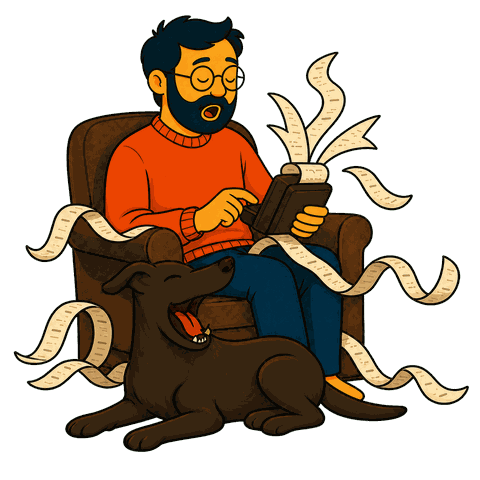
Why membership needs funding
The Society faces unavoidable expenses: wages, NI contributions, member recruitment and onboarding, accounting, legal fees, insurance, website hosting, hardware, software, and Zoom subscriptions.
We ensure that hosts are treated with respect and dignity, and are compensated fairly.
As the founder, I give my time for free to support the Society, and any profits are invested back into the community.

How to join
It starts with a free chat
We’d like to invite you to a free 15-minute introductory chat by Zoom or phone to see whether we’re a good fit for each other.
P.S.
R.S.V.P.


Experience membership for a month
If we’re both happy, after our chat we’ll invite you to experience full membership for one month. There are no card details required, no payment upfront, and no contract.
During the first month
If it isn’t right for you, you can leave at any time without paying for the sessions you have attended.

At the end of the first month
If you choose to stay, decide on a monthly contribution that feels affordable and reflects the value you find in membership.
As a guideline, most members contribute between £60 and £80 a month, which helps keep the Society running for everyone. We ask you to consider your own financial circumstances, and we do not ask for proof.

How to pay
Contributions are normally made by standing order through your bank, after each month’s sessions have taken place, including your first month. You can change or cancel your standing order at any time.

Minimum risk
If your circumstances change, you are welcome to adjust your contribution.
Or if you decide the Society isn’t right for you, you can leave at any time and owe nothing.

How to cancel
You can cancel your standing order at any time. There is no notice period, and no further payments will be due.

Better value than coffee
“I used to spend about £6 a day on coffee without thinking. Now I put that towards something that actually matters. I don’t miss the coffee at all. And I really look forward to the intimacy of our conversations. It has changed me.”
Effie, member for 13 months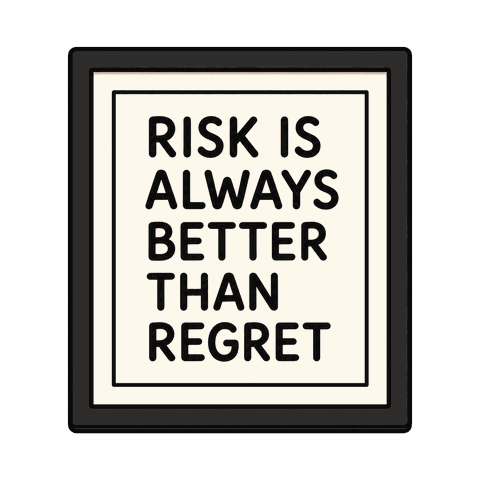
Sometimes, the smallest act of courage is saying ‘maybe’.
Even after reading all this, you may still feel unsure, and that’s OK. Doubt isn’t a sign that you shouldn’t join. It may simply mean you’re thoughtful, cautious, and protective of your wellbeing.
If something here speaks to you, even faintly, explore that feeling. Take your time. Trust yourself.